
This year’s selections for Disability Pride Month illustrate the wide variety of topics at play both within and around disabled communities today. From AI to activism, history to healthcare, and memoir to media, this year’s contributors — Mandy Rizki, Becca Velasquez, Martina Svyantek, and Meg Kennedy — have each chosen a few items they’ve engaged with recently and recommend for you.
Recommended by Mandy Rizki, Reference Librarian
 “Crip Camp: A Disability Revolution” directed by Nicole Newnham and James LeBrecht (Higher Ground Productions, 2020)
While the documentary “Crip Camp” (free to view on YouTube) begins its story in the early 1970s at Camp Jened, a small camp for disabled teens in upstate New York, the narrative broadens to encompass a national activist movement including the longest occupation of a federal building, the beginnings of the Independent Living Movement, and the iconic 1990 Capitol Crawl, the demonstration which spurred then-President George H.W. Bush and Congress to pass the Americans with Disabilities Act. “Crip Camp” focuses its story on a few individuals whose activist careers can be traced from Jened to California and back to DC; the historically minded may be left wanting more, wondering who was left out. But, what better a documentary than one that inspires us to learn more about its topic?
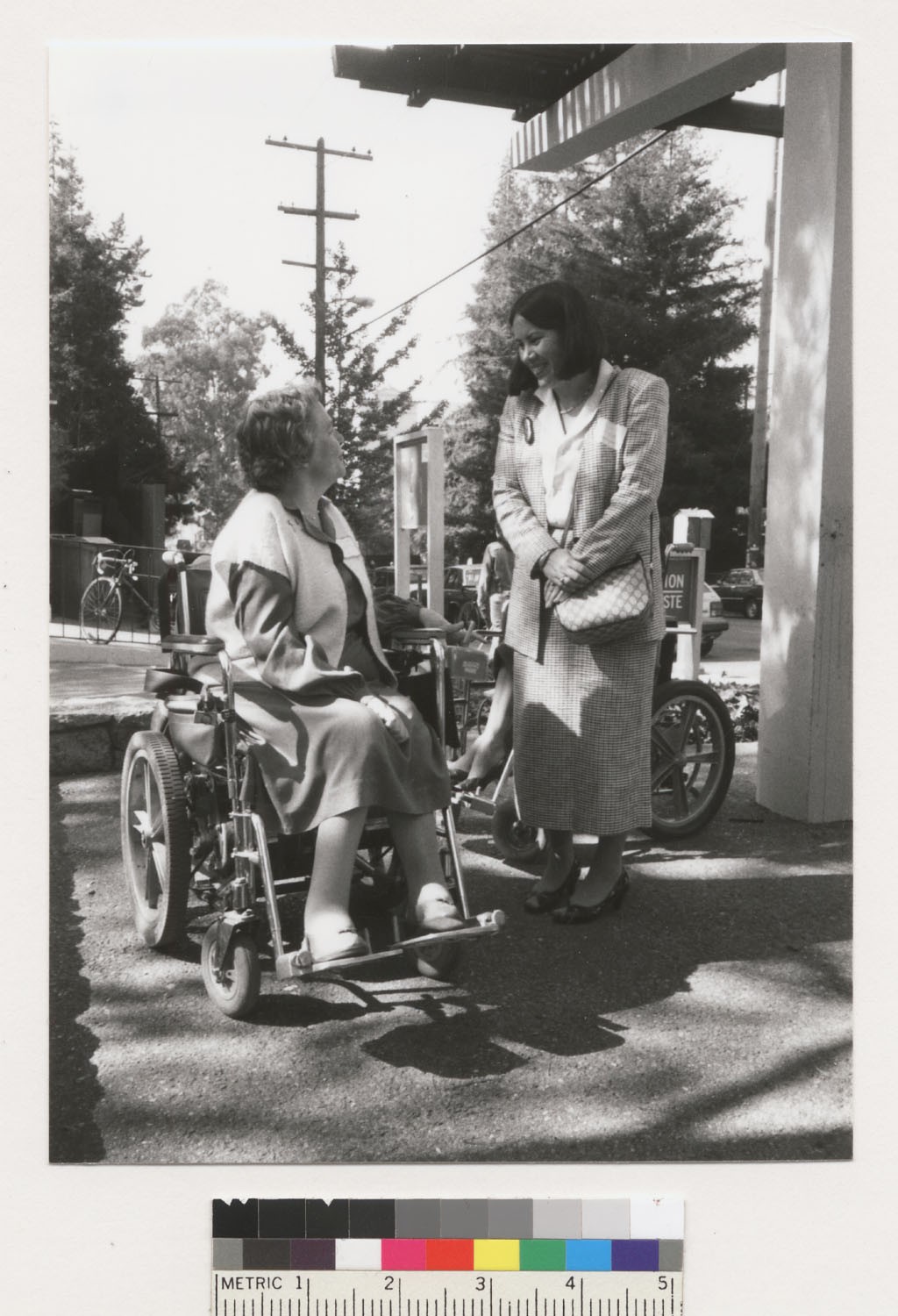 Disability Rights and Independent Living Movement Collection (University of California Berkeley)
Beginning in 1996, the UC Berkeley Library compiled organizational and personal papers and more than 100 oral histories of individuals involved in the Disability Rights and Independent Living Movement. This deep collection is an amazing resource not only for those interested in disability rights history or personal narratives, but also for anyone interested in the history of 20th century social movements generally.
The Independent Living Movement seeks to provide disabled people with the tools, resources, and solutions they need to live independently. First established in Berkeley in the early 1970s, there are now more than 400 Independent Living Centers or Independence Resource Centers across the United States. In Charlottesville, the Independence Resource Center can be found at 815 Cherry Ave.
Recommended by Becca Velasquez, Circulation Support Coordinator
 “Conditions of a Heart” by Bethany Mangle (Margaret K. McElderry Books, 2024)
What if the hardest part of living with a chronic illness isn’t the symptoms, but letting people see the real you? Brynn Kwan has hidden her chronic illness from everyone around her, for years. However, one horrible day begins to pull back the curtain of her carefully crafted image.
Will Brynn find the courage to reveal her true image to those around her, and most importantly, herself? This novel is geared towards young adult audiences but presents a great read for adults as well.
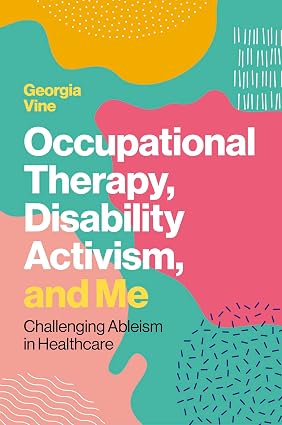 “Occupational Therapy, Disability Activism, and Me: Challenging Ableism in Healthcare” by Georgia Vine (Jessica Kingsley Publishers, 2024)
Recommended by Martina Svyantek, Digital Accessibility Specialist
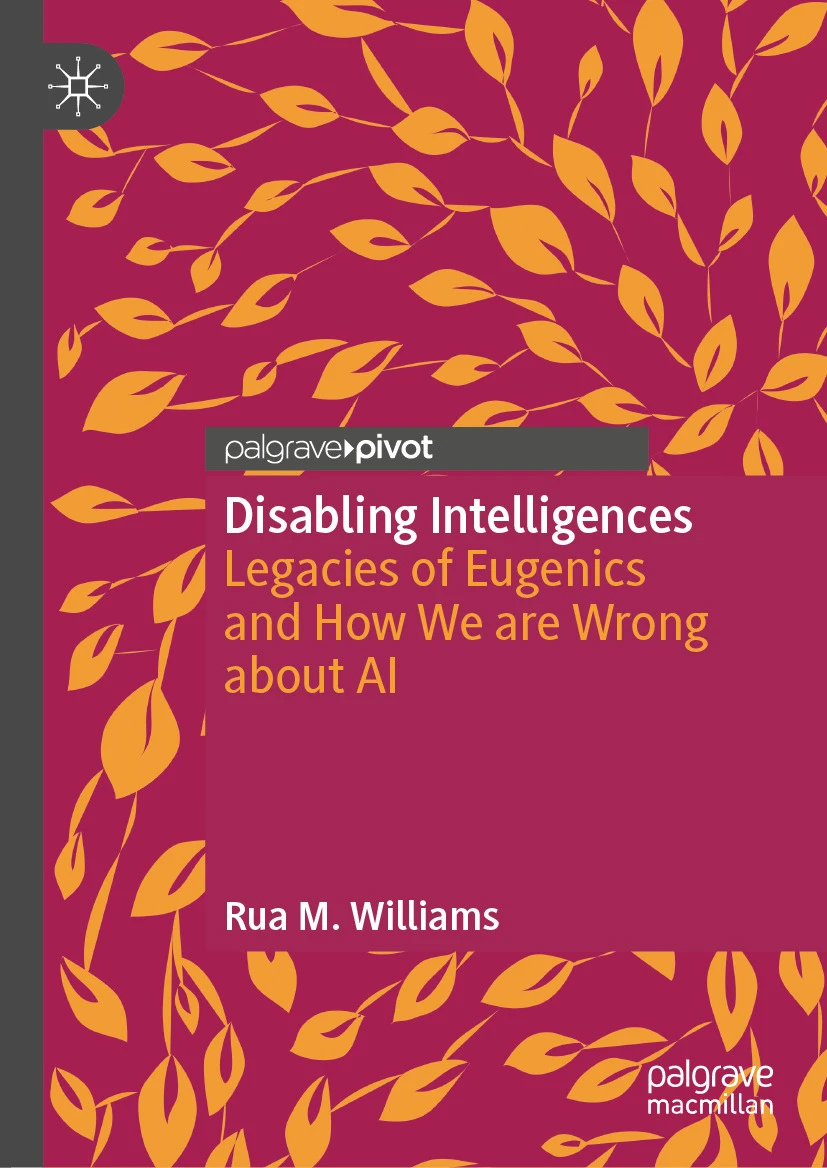 “Disabling Intelligences: Legacies of Eugenics and How We are Wrong about AI” by Rua M. Williams (Palgrave Macmillan, 2025)
For those of us who have been grappling with the intrusion of AI across all aspects of higher education, this text succinctly unwraps yet another layer of that story by exploring the tension between AI and disability. This monograph challenges claims and assumptions about technology, about who and what AI supports, and about AI’s impacts on the disability community. Using case studies and pop culture references, this is a quick and easy read for both those who are looking for an introduction to these topics as well as those who are searching for new perspectives.
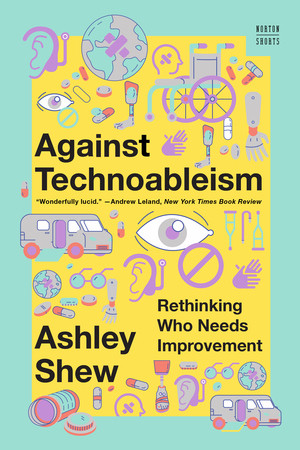 “Against Technoableism: Rethinking Who Needs Improvement” by Ashley Shew (W.W. Norton & Company, 2023)
There are better stories about technology and disability than the inspiration porn we are all accustomed to flipping through voyeuristically — instead of viewing prosthetic users as needy recipients of advanced technology, how do we respond when people refuse a prosthetic? What happens when the narratives we “know” about technologies and disabled people are flipped over and examined using insights from a wider cross section of the disability community, positioning that community as needed experts instead of expensive liabilities and outliers?
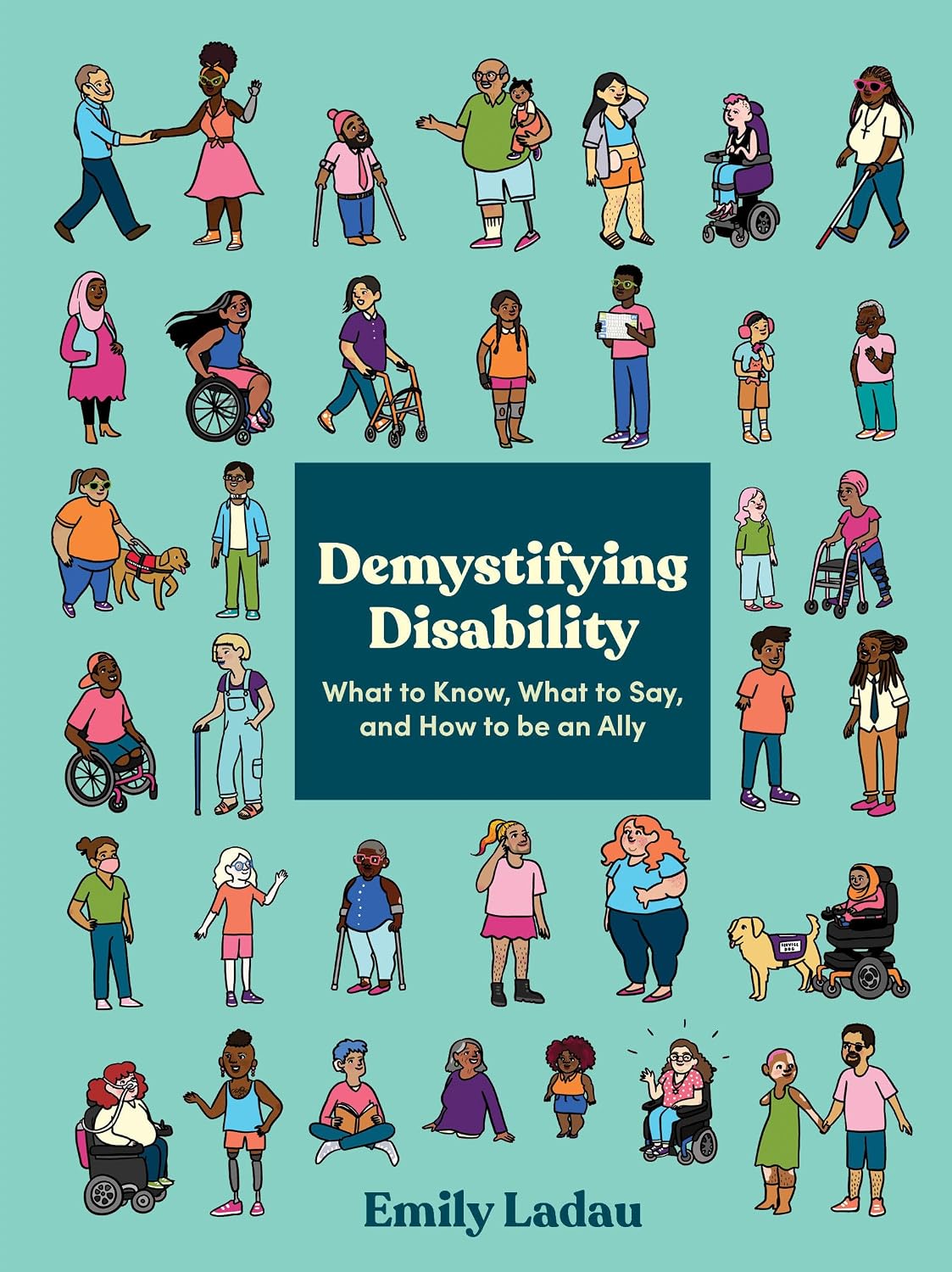 “Demystifying Disability: What to Know, What to Say, and How to Be an Ally” by Emily Ladau (Ten Speed Press, 2021)
Are you stuck and completely unsure of even how to mention disability, much less baffled by the idea of Disability Awareness Month (not to mention Disability Pride Month)? This is a great starter book written in a conversational manner. This includes defining disability, a brief overview of disability history (focusing on the United States from roughly the early 20th century), etiquette issues, and a review of disability as portrayed within the media. The book ends with a great list of further resources spanning memoirs, film (including “Crip Camp,” mentioned earlier!), TED Talks, and hashtags used in social media that you can use to further explore disability.
 Remote Access Archive (Critical Design Lab)
While COVID-19 might have brought WFH and physically-distanced socializing to the attention of those across the world, the disability community has historic perspectives in being excluded from physical spaces and having to find alternatives to connect and maintain that community. The RAA project sought to capture not only modern approaches, but to document these pre-existing models of remote access through interviews and files shared by participants. The discussion of keyword development within this project provides a quick overview of how the team came to a consensus about how to describe everything within the archive itself.
Recommended by Meg Kennedy, Curator of Material Culture
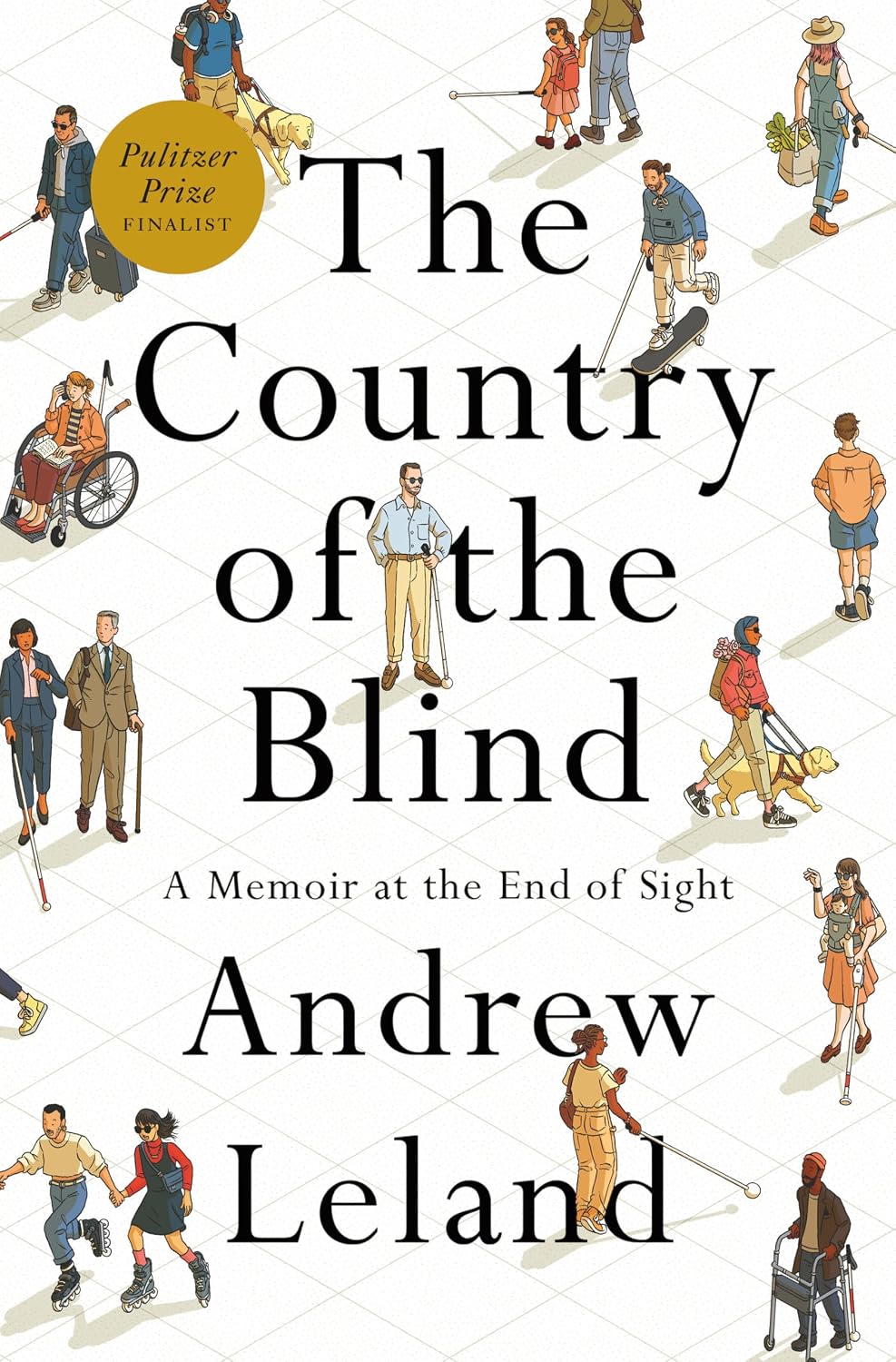 “The Country of the Blind: A Memoir at the End of Sight” by Andrew Leland (Penguin Press, 2023)
Throughout his vulnerable and provoking memoir, Leland interweaves his own experiences of the incremental loss of sight with his journey to better understand the language and customs of blindness. Leland forefronts his personal experience with milestones from blindness and disability rights history. This contextualization is particularly helpful for readers unfamiliar with 20th and 21st century conversations about curb cuts, the ADA, universal design, and tactile writing systems. Chapters focus both on contemporary issues and their grounding in advocacy, legislation, the deep benches of racism and prejudice, the growth of overlapping blind cultures, technological innovations (and interventions, not all desired by disabled people) and, most importantly, the contributors to those movements.
As Leland interweaves the bigger picture with his personal story, he explores loss and exclusion and the nonbinary surprise that the loss of his own sight is “less dramatic than it sounds.” For anyone with a chronic condition(s) looking towards changing expectations of their abilities, Leland’s contemplations of that knowing are thought inducing, and feel honest and new. Memorably, he also documents the relationships between sight and literacy, the ways he as a reader and writer adapts, his reluctance (and, later, his relief) to adopt e-text and screen readers, and his experiences learning Braille. Read alongside Ashley Shew’s “Against Technoableism” and Haben Girma’s memoir, “The Country of the Blind” makes a compelling, maybe even easy, case for the widespread adoption of inclusive and equitable environments.


